
Month: January 2026

best non nicotine pouches

How working from home reshaped nicotine habits for many adults

Working from home has quietly changed how people move through the day. There is no commute buffer. No clear start and end breaks. Everything blends together. In this setting, habits feel more visible to the person using them. That is where https://nicpouches.com/ begins to feel relevant for adults adjusting nicotine use to a home based routine. When work and personal space overlap, habits that once felt normal can suddenly feel intrusive.

Privacy shifts how habits feel

  • Being at home increases self awareness
  • Habits are no longer hidden by office movement
  • Repetition becomes more noticeable
  • Comfort matters more than routine

At home, people notice how often they pause, adjust, or step away. That awareness changes preferences.

Fewer breaks create new preferences

  • Meetings often run back to back
  • Breaks feel harder to schedule
  • Stepping away disrupts focus
  • Habits that stay in place feel easier

Without natural pauses, people start valuing habits that do not require stopping.

Balancing focus without stepping away

  • Deep work blocks last longer at home
  • Interruptions feel more disruptive
  • Focus is easier to lose than regain
  • Quiet habits support concentration

Nicotine that does not pull attention away fits better into long focus periods.

How home spaces influence discretion

  • Shared rooms increase awareness
  • Family presence changes comfort levels
  • Smell lingers longer indoors
  • Visibility feels more personal

At home, discretion is less about others and more about personal comfort.

The mental shift of working where you live

  • Work habits bleed into personal time
  • Boundaries feel thinner
  • Habits follow you everywhere
  • Comfort becomes essential

When there is no physical separation, habits must feel lighter to avoid fatigue.

Flexibility becomes more valuable

  • Schedules change unexpectedly
  • Tasks overlap personal responsibilities
  • Time blocks shift often
  • Habits must adapt quickly

Rigid routines struggle in flexible environments. Adaptable ones survive.

Adjusting nicotine use to home rhythm

  • Timing becomes intuitive
  • Use feels optional not scheduled
  • Comfort guides decisions
  • Habits become quieter

Home based routines reward subtlety over structure.

Reduced social pressure changes motivation

  • No external expectations
  • Choices become more personal
  • Comfort replaces performance
  • Habits reflect real needs

People stop maintaining habits for appearance and start choosing for fit.

As remote routines continue, https://nicpouches.com/ highlights how nicotine habits adapt when work and life share the same space. The shift is not about productivity alone. It is about reducing friction in an environment where everything already overlaps.

When nicotine fits quietly into home routines, it stops competing with focus, comfort, and personal space. That quiet fit is what many adults now value most while working from home.
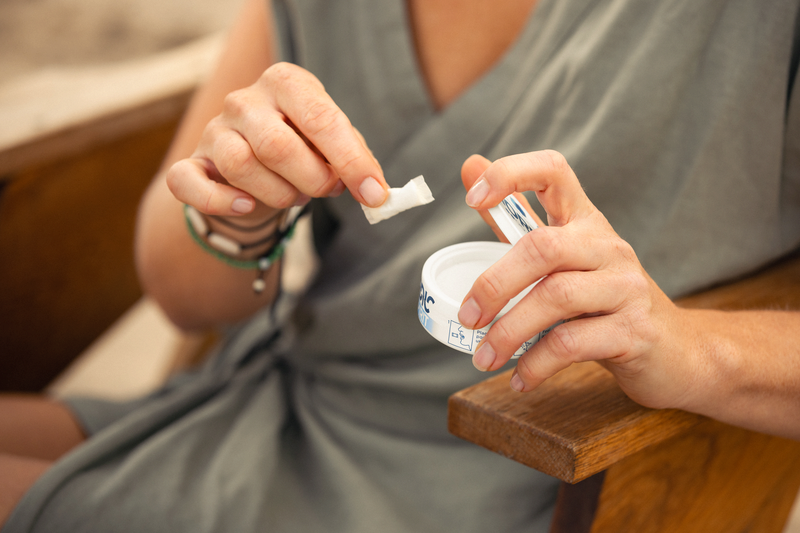
Smoke Free Nicotine Pouches Changing Modern Consumption Habits

Personal habits continue shifting as people look for cleaner options that fit daily routines. Nicotine pouches now attract attention from adults seeking discreet intake without smoke or ash. These small portions support controlled use while reducing social disturbance during public moments. Interest grows because the format feels simple plus portable for many lifestyles. Users value quiet satisfaction that avoids strong odor or visible residue. Positive feedback continues encouraging curiosity among adult consumers seeking cleaner alternatives like ZYN Nicotine Pouches.

Discreet Lifestyle Integration Benefits

Modern routines demand subtle solutions that do not interrupt social flow. These products slide easily into work breaks or gatherings without drawing notice. The compact design helps adults maintain personal preferences while respecting shared spaces. Nicotine delivery stays contained, which supports polite interaction in close environments.

Flavor Variety Driving Appeal

Taste options play a strong role in shaping repeated selection. Mild blends attract beginners while bold profiles satisfy seasoned adults seeking intensity. Producers refine texture, so each pouch feels smooth during placement. Nicotine strength choices allow gradual adjustment based on comfort level. Consistent quality encourages loyalty because expectations remain stable over time.

Social Perception and Acceptance

best nicotine pouches

Public attitudes influence which habits gain long-term traction. Smoke-free formats reduce visible cues that once triggered criticism. Many communities respond positively to alternatives that limit lingering smell. Nicotine intake becomes more private, which lowers confrontation in shared areas. Cultural approval expands as understanding replaces earlier skepticism.

Consumer Control and Flexibility

Users appreciate tools that support personal pacing rather than forced routines. Individual portions allow measured timing suited to busy schedules. Nicotine absorption feels predictable, which helps maintain a steady preference. Adults often describe a sense of autonomy through adjustable strength options. This steady appeal continues as many adults positively associate flexibility and consistency with ZYN Nicotine Pouches.

  • Flexible portions support gradual pacing during long work periods daily
  • Portable containers encourage tidy storage inside pockets without leakage risk
  • Measured strength options help adults tailor intake to personal comfort
  • Low scent release protects the nearby company during shared indoor moments
  • Simple disposal methods promote cleanliness after each quiet usage

Wider acceptance suggests adults want alternatives that balance satisfaction with courtesy. Education about responsible intake can guide thoughtful decisions. Clear labeling plus honest communication reduce misuse while supporting informed choice. Producers should continue refining the design to match evolving expectations.

FAQ

What motivates adults to choose pouch-based nicotine options today?

Adults prefer discreet intake methods that reduce odor plus social tension.

Do flavor choices influence repeated purchase of modern pouch products?

Varied taste selections encourage loyalty by matching personal preference patterns.

Are pouch formats viewed as socially acceptable in shared environments?

Many communities support cleaner intake methods that minimize public disturbance.

Dry January: A Month to Reflect, Recharge, and Live Healthier

January is the perfect time to hit the reset button and focus on a healthier lifestyle. For many, this begins with the decision to participate in Dry January a month-long commitment to abstain from alcohol. It is more than just a break from drinking; it is an opportunity to reset your body, mind, and habits. Here’s how taking part in Dry January can benefit you, both physically and mentally, and how you can make the most of the month

The Health Benefits of Going Alcohol-Free

Abstaining from alcohol for a month can lead to significant physical benefits, many of which are felt immediately. Here’s how it can impact your body:

  • Improved Sleep Quality: Alcohol disrupts sleep patterns. Without it, you will likely experience more restful and deeper sleep, which is essential for recovery and overall well-being.
  • Boosted Immune System: Drinking weakens your immune system. A month without alcohol can give your body a much-needed break, allowing your immune system to function at its best.
  • Weight Loss: Alcoholic beverages are often packed with empty calories. By cutting them out, you reduce your calorie intake, potentially leading to weight loss, especially if combined with other healthy habits like eating well and exercising.
  • Better Skin: Alcohol dehydrates your body, which also affects your skin. Without alcohol, you may notice improvements in complexion and a reduction in puffiness.

Mental Clarity and Emotional Benefits

Dry January is not just good for your body it is also beneficial for your mental health. Here’s how going alcohol-free can improve your mind:

  • Enhanced Mental Clarity: Alcohol can impair cognitive function and cloud decision-making. Without it, many people report feeling more focused and productive, both at work and in personal life.
  • Better Mood: Alcohol can often worsen mood disorders like anxiety and depression. By eliminating it, you may find that your mood stabilizes, and you feel more balanced.
  • Increased Self-Control: Taking a break from alcohol can help you develop better control over your impulses. This sense of achievement from sticking to your goal can boost self-esteem and confidence.

The Long-Term Impact

While Dry January is only one month, its benefits can extend far beyond the 31 days. Many participants report feeling inspired to adopt healthier habits long-term, whether by reducing their alcohol intake or incorporating more self-care routines into their lives. Some participants extend Dry January after noticing substantial improvements in their daily routines and wellbeing.

By the end of the month, you may find that you have not only reset your body and mind, but also gained new habits that can contribute to a healthier, more balanced lifestyle year-round. Dry January offers a chance for growth, reflection, and, ultimately, a healthier future.